



It happens gradually. You used to catch up every week. Then it became every month. Then every few months. Now you can't remember the last time you saw them. You're still friends on social media. You still like each other's posts. But the actual friendship has quietly faded.
This isn't one dramatic fallout. It's the slow drift of adult life pulling you in different directions. And at some point, you look around and realise your social circle has shrunk significantly from what it was a decade ago.
If this sounds familiar, you're not alone. Studies show friendship networks peak in your late 20s and decline from there. The 30s are when that decline really accelerates.
Why Friendships Fade in Your 30s
Your 30s bring a collision of demands that didn't exist before:
Life stages diverge
In your 20s, everyone is in roughly the same place: single, renting, building careers, figuring things out. In your 30s, paths split. Some people have kids. Some don't. Some are married. Some are single. Some bought houses in the suburbs. Some stayed in the city.
These different life stages create different priorities, different schedules, different conversations. The friend with a toddler can't do spontaneous 10pm dinners. The single friend doesn't relate to school pickup dramas. Nobody's wrong, but connection becomes harder.
Geography scatters
People move. For partners, for jobs, for affordability, for space. The inner-city neighbourhood where everyone lived in their 20s empties out. Friends end up scattered across suburbs, cities, sometimes countries.
Maintaining friendships across distance requires effort that proximity didn't. Some friendships make the transition. Many don't.
Time becomes scarce
Careers demand more. Partners need attention. Kids absorb everything. The discretionary time you had in your 20s shrinks. Social maintenance often gets deprioritised because it feels less urgent than everything else competing for your attention.
Effort required increases
In your 20s, friendships maintained themselves through proximity and shared routines. In your 30s, you have to actively schedule time together. That scheduling requires effort from both sides. When effort lapses, so does the friendship.
Accepting the Normal Loss
Not every friendship is meant to last forever. Some friendships are for a season, a phase of life, a particular context. That doesn't mean they weren't real or valuable. It just means they've run their natural course.
The quality of your friendships matters more than the quantity. Having 3-5 genuine connections is healthier than having 20 superficial ones. It's okay to let some friendships fade while investing in others.
The question is: are you letting friendships fade because they've naturally concluded, or because you haven't made the effort to maintain ones you actually value?
Reconnecting With Old Friends
If you've drifted from someone you miss, reach out. Most people are receptive. A simple message works:
"Hey, I realised we haven't caught up in ages. I miss our chats. Want to grab coffee sometime?"
Some things to expect:
- Some will pick up easily. The gap doesn't matter. You fall back into comfortable conversation like no time has passed.
- Some will feel different. You've both changed. The connection that worked before doesn't quite fit anymore. That's okay.
- Some won't respond. They're busy, they've moved on, or they're just bad at replying. Don't take it personally.
You won't know which category a friendship falls into until you try. The risk of reaching out is low. The potential reward is getting back a connection you valued.
Maintaining Friendships That Matter
If you want to keep friendships alive, you need to treat them like any other priority: schedule them.
Put it in the calendar
"We should catch up soon" means nothing. "Dinner on the 15th, 7pm, that Italian place" means something. Book specific times with specific friends. Monthly dinners, quarterly weekends away, regular phone calls.
Lower the bar
Every catch-up doesn't need to be a big event. A quick coffee. A walk in the park. A 20-minute phone call while commuting. Frequent low-effort contact often maintains friendships better than infrequent elaborate plans.
Be the one who initiates
Someone has to make plans. If you wait for others to organise things, they might be waiting too. Be willing to be the organiser, at least sometimes.
Adapt to life changes
When friends have kids or move or change circumstances, the shape of the friendship needs to change too. Be flexible. A friend with a newborn can't do 3-hour dinners, but they might appreciate you bringing them coffee and keeping them company for an hour.
Building New Connections
The friends you have now don't have to be the only friends you'll ever have. It's possible to make new connections in your 30s. It just requires more deliberate effort than it did when you were younger.
Activity-based groups
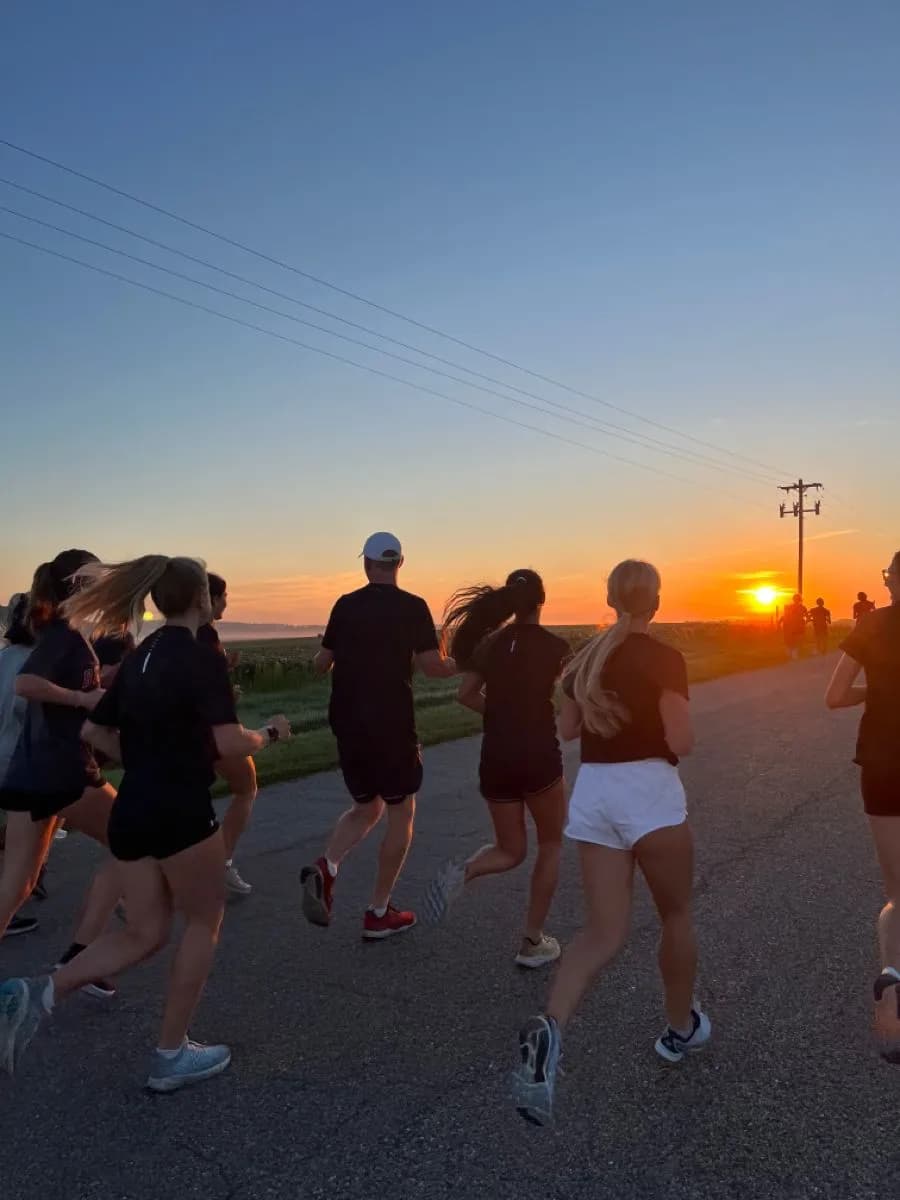
The easiest way to meet people is through shared activities. Sports teams, running groups, book clubs, hobby classes, volunteer organisations. You have a built-in reason to be there and something to talk about beyond small talk.
On Eventi, you can browse Rooms for activities in your area. See the vibe, check out who's keen, and join things that match your interests. Showing up consistently is what turns activity acquaintances into actual friends.
Follow up with people you click with
Meet someone interesting at an event or through an activity? Suggest grabbing coffee. Exchange numbers. Follow up. Most adult friendship opportunities die because nobody makes the first move to see each other outside the initial context.
Invest time in work relationships
Colleagues can become real friends, but only if you invest beyond work contexts. Grab lunch. Get drinks after work. Find shared interests outside of work tasks.
Be patient
Adult friendships form slower than childhood ones. Research suggests 50+ hours of time together to move from acquaintance to casual friend, 200+ hours to become close. This takes months of regular contact. Don't expect instant best friends.
When You're the One Who Drifted
Sometimes you realise you've been the one who stopped reaching out. Life got busy. You meant to reply to that message but didn't. You cancelled plans too many times. Now there's an awkward gap.
Owning this is uncomfortable but important. If you value the friendship, acknowledge what happened:
"I've been terrible at keeping in touch. Life got overwhelming but that's not an excuse. I miss you. Can we catch up?"
Most people understand. Most people have done the same thing at some point. Honesty and a genuine attempt to reconnect usually work.
The Honest Reality
Your 30s social circle will look different from your 20s. That's not a failure. It's just life.
Some friendships will fade and that's fine. Others will deepen because you've chosen to invest in them. And you'll make new connections that fit who you are now, not who you were at 22.
The key is being intentional. Friendships in your 30s don't maintain themselves. If you want to have friends, you have to make time for them. If you want to make new friends, you have to put yourself in positions to meet people and then follow up.
The drift is natural. What you do about it is a choice.
Frequently Asked Questions
Is it normal for friends to drift apart in your 30s?
Very normal. Friendship networks typically shrink during the 30s as careers, relationships, kids, and geography pull people in different directions. Nearly everyone experiences this.
Should I try to reconnect with old friends?
If you valued the friendship, yes. Most people are receptive to reconnection. A simple message suggesting a catch-up usually works. Some friendships pick up easily; others have changed. You won't know until you try.
How do I maintain friendships when life is busy?
Schedule it like anything else important. Put catch-ups in your calendar. Accept that frequency may decrease. Focus on quality over quantity. Small consistent efforts beat sporadic grand gestures.
Is it too late to make new friends in my 30s?
Not at all. People make meaningful friendships at every age. It requires more intentional effort through activities, shared interests, and consistent follow-up. Many people find their closest friendships formed later in life.