

Somewhere in your late 20s or early 30s, you probably noticed something shift. The group chat went quieter. Catching up required weeks of scheduling. Friends moved interstate, had kids, got consumed by careers. The effortless social life you had in your 20s started requiring effort you didn't always have.
If you're reading this, you've probably already tried the obvious things. Maybe you joined a gym (didn't talk to anyone). Downloaded Bumble BFF (felt weird). Waited for work friendships to materialise (they stayed at the surface level). None of it quite worked.
This guide is for people in their 30s who want genuine friendships, not just acquaintances. It's about what actually works in Australia, and what doesn't.
Why Your 30s Are Different
Understanding why it's harder helps you stop blaming yourself and start strategising properly.
The Scaffolding Disappeared
In your teens and 20s, friendships happened almost by accident. School put you in classrooms with the same people for years. University gave you orientation weeks, clubs, and share houses. Early career jobs often had cohorts of young people figuring things out together.
By your 30s, that scaffolding is gone. There's no system forcing repeated contact with potential friends. You have to build the scaffolding yourself, and most people don't know how.
Life Stages Diverge
In your 20s, most of your friends were in roughly similar life stages: studying, early career, single or casually dating, renting, flexible schedules.
By your 30s, paths diverge dramatically. Some friends have kids and disappear into the parenting vortex. Others are climbing corporate ladders with 60-hour weeks. Some bought houses in the outer suburbs. Some are still living their 20s lifestyle. Finding people whose lives align with yours becomes harder.
Time Becomes Scarce
Your 20s probably had large blocks of unstructured time. Weeknights were free. Weekends were open. You could say yes to spontaneous plans.
Your 30s fill up. Work demands more. Relationships require maintenance. Family obligations appear. Exercise, errands, rest. The hours available for friendship shrink, and what remains often gets sacrificed when you're tired.
Geography Spreads People Out
In your 20s, you and your friends probably clustered in similar areas: inner-city share houses, student suburbs, the affordable parts of town.
By your 30s, people scatter. Friends buy houses where they can afford them, often 45 minutes or more from where you are. Spontaneous catch-ups become logistically complex. The friction of distance kills a lot of would-be friendships.
The Vulnerability Barrier
Making friends requires a kind of vulnerability that gets harder with age. Suggesting you hang out, admitting you want more friends, putting yourself in new social situations where you might feel awkward. These things were easier when everyone was doing them. In your 30s, it can feel exposing.
What Doesn't Work (Or Doesn't Work Well)
Waiting for it to happen naturally. This worked in your 20s because the systems around you made it happen. Without those systems, waiting is just hoping. Hope is not a strategy.
Relying only on work. Work friendships are convenient but often stay surface-level. They're constrained by professional dynamics, and they disappear when someone changes jobs. Have work friends, but don't make work your only source.
One-off events. Going to a single networking event or trying one meetup rarely produces lasting friendships. You might have a nice conversation, but without repeated contact, it fades. Friendship requires consistency, not one-time appearances.
Expecting existing friends to fill all needs. Your old friends are important, but if they've moved, had kids, or are in different life stages, they might not be available the way they once were. You can love them and still need new local connections.
What Actually Works
Build Your Own Scaffolding
Since the automatic systems are gone, you need to create your own. This means joining things that meet regularly and repeatedly expose you to the same people.
The activity matters less than the consistency. A weekly social sport league. A fortnightly book club. A regular hiking group. A class that runs for 8 weeks. What you choose should be something you actually enjoy (so you'll keep going), but the real value is the repeated contact.
Research suggests it takes about 50 hours of time together to move from acquaintance to casual friend. That's roughly 25 two-hour sessions, or about 6 months of weekly meetups. Knowing this helps you stay patient.
Social Sport
Social sport leagues are specifically designed for adults who want to be active and social. In Australia, options include:
- Urban Rec, Just Play, Melbourne Social run mixed leagues in netball, touch footy, soccer, volleyball, and more. You can join as an individual and get placed on a team.
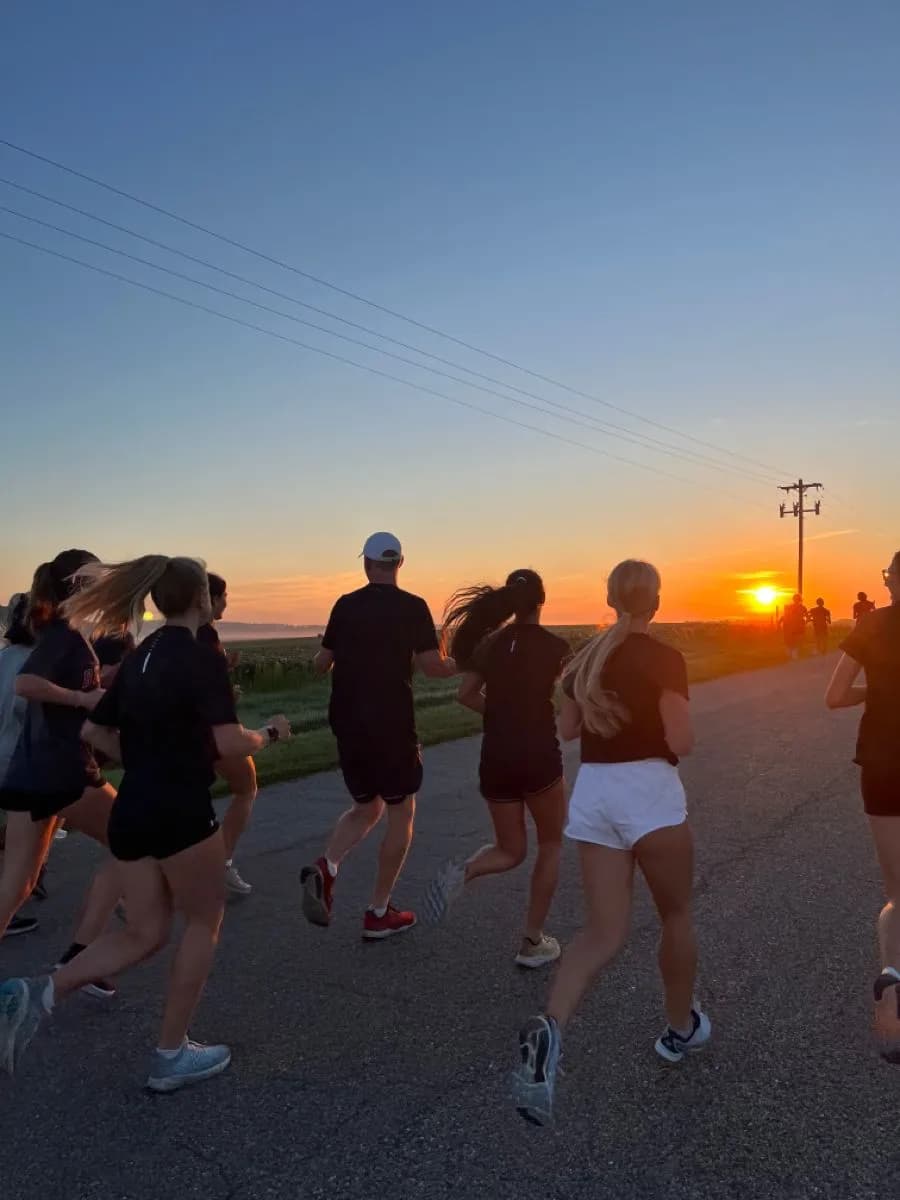
- Parkrun happens every Saturday morning. Free, welcoming, and the same people tend to show up each week. The post-run coffee is where friendships form.
- Climbing gyms have developed their own social cultures. The nature of climbing encourages interaction: watching others, offering advice, sharing problems.
- Ocean swimming, surf clubs, hiking groups attract regulars who become familiar over time.
You don't need to be athletic. Most social leagues welcome complete beginners. The point is showing up consistently.
Interest-Based Groups
Find groups organised around things you already care about. Book clubs, board game nights, photography walks, language exchanges, creative writing groups, music jams. The shared interest gives you something to talk about beyond small talk.
Meetup.com has groups for almost everything. The quality varies, so try a few and stick with the ones that click. Facebook groups can also lead to in-person gatherings.
Events with Connection Built In
Regular events work better than one-offs, but even one-off events can work if you approach them differently. Apps like Eventi let you see who else is going to events and connect beforehand. This turns a solo experience into a potentially social one.
Going to events alone can feel awkward at first, but it's often more effective than going with existing friends (who you'll just talk to all night). For more on this, see our guide on going to events alone.
Volunteering
Working toward a shared purpose accelerates connection. OzHarvest, environmental groups, community organisations, event volunteering. You meet people who care about similar things, and you have something to do together beyond just "catching up."
Classes and Courses
Learning something new with others creates natural bonding. The key is choosing something that runs for multiple weeks, not a single workshop. Pottery, cooking, language classes, dance, music. The repeated sessions build familiarity.
The Follow-Up Problem
This is where most people fail. You meet someone interesting at an activity, have a good conversation, and then... nothing. Neither of you follows up. The potential friendship evaporates.
You have to be the one who follows up. Send the message. Suggest catching up outside the activity. Propose something specific: "Want to grab coffee after next week's session?" or "There's this event next weekend, interested?"
This feels vulnerable, but it's necessary. Most people are waiting for someone else to initiate. If you want friends, you need to be that person.
Expect some non-responses or polite declines. That's normal. Don't take it personally. Keep trying with different people.
For Specific Situations
If You've Just Moved Cities
The first 6 months are brutal. You have no network, no regular places, no familiar faces. Give yourself permission to find it hard without judging yourself.
Join something immediately. Before you're settled, before you feel ready. Having one recurring social commitment gives you an anchor. Build from there. See our moving to Australia guide for more.
If You're Introverted
Large networking events and loud bars probably aren't your thing. That's fine. Smaller, activity-focused groups work better. Book clubs, small classes, hiking groups where conversation happens naturally alongside the activity.
Quality over quantity. You don't need dozens of friends. A few genuine connections are worth more than a large surface-level network.
If You Have Kids
Parent friendships have their own dynamics. School gates, kids' activities, and neighbourhood playgrounds create natural meeting points. The challenge is moving beyond "parent acquaintance" to actual friend.
Finding friends who are parents but whose entire identity isn't parenting can take effort. Look for parents at non-kid activities, or explicitly suggest catching up without kids sometime.
If You Work From Home
Remote work removes the incidental social contact of an office. You have to deliberately replace it. Coworking spaces, cafe routines, and scheduled social activities become essential.
Consider coworking spaces that actively foster community, not just hot-desking. Many run events and have Slack channels where members connect. See our digital nomads guide for coworking recommendations.
If You're in a Relationship
Couples often let couple friendships dominate, but it's healthy to have independent friendships too. Make time for activities without your partner. Having your own social life takes pressure off the relationship.
If your partner is more social than you (or vice versa), this can create tension. Discuss it openly. Find a balance that works for both of you.
Mindset Shifts That Help
- Lower the stakes. Not everyone you meet needs to become a best friend. Acquaintances and casual friends are valuable too. Let relationships develop at their own pace.
- Accept the awkwardness. Meeting new people as an adult often feels a bit awkward. That's normal. Push through it. The awkwardness fades with familiarity.
- Be patient. Adult friendships form slowly. Months, not weeks. Keep showing up even when it feels like nothing is happening. Progress is often invisible until suddenly it isn't.
- Don't compare to your 20s. Those friendships formed under different conditions. Your 30s friendships will look different, and that's okay. Different doesn't mean worse.
- It's not just you. Lots of people in their 30s feel the same way. Loneliness at this life stage is incredibly common. You're not uniquely bad at friendship.
Resources and Next Steps
Apps: Eventi for connecting around events, Meetup for recurring groups, Bumble BFF for profile-based matching. See our full comparison in best apps to make friends in Australia.
City guides: For location-specific advice, see our guides for Melbourne and Sydney.
If you're struggling: Loneliness is painful, and there's no shame in finding this hard. Beyond Blue (1300 22 4636) and Lifeline (13 11 14) offer support. Therapy can also help if loneliness is significantly affecting your wellbeing.
Final Thoughts
Making friends in your 30s isn't impossible. It's just different. The effortless friendships of your 20s were a product of systems you didn't build. Now you have to build the systems yourself.
The formula is simple: join recurring activities, show up consistently, follow up with people you click with, and give it time. It works. It just requires intention that wasn't necessary before.
Something's happening tonight in your city. Someone else there is also looking for connection. Maybe you should go.
Frequently Asked Questions
Is it normal to have no friends in your 30s?
Yes, it's extremely common. Research shows friendship networks shrink significantly after 25. Life changes like careers, relationships, kids, and moving cities all contribute. You're not alone in feeling this way.
Why is it so hard to make friends in your 30s?
Less unstructured social time, established routines, diverging life stages, geographic spread, and the fact that adult friendships require deliberate effort that childhood friendships didn't.
How do adults make friends in Australia?
Through recurring activities: sports clubs, hobby groups, classes, volunteering, events. Apps like Eventi, Meetup, and Bumble BFF help. The key is consistency and following up.
How long does it take to make friends as an adult?
Research suggests roughly 50 hours to become casual friends and 200+ hours for close friendship. That means months of regular contact. Adult friendships form slower but can be just as meaningful.