Melbourne has a reputation as Australia's cultural capital. Live music on every corner, a cafe culture that rivals any city in the world, and events happening every night of the week. You'd think making friends here would be easy.
For a lot of people, it isn't. The city is full of transplants who came for work, study, or a fresh start. People come and go. Old friend groups scatter. And if you're new, or newly single, or just realising that your social life has quietly withered, it can feel surprisingly lonely.
This guide is about what actually works. Not "just put yourself out there" platitudes, but practical strategies for making real connections in Melbourne.
Why Melbourne Can Feel Hard
Before getting into solutions, it helps to understand what you're working with. Melbourne has some specific characteristics that make adult friendships challenging:
- It's a transient city. People move here for work, study, or a sea change. They leave when the job ends or life changes. This means friend groups are constantly reforming.
- Suburbs are spread out. Unlike Sydney with its harbour focus, Melbourne sprawls. Your potential friends might live 45 minutes away, which makes spontaneous catch-ups harder.
- The weather keeps people inside. Those grey winter months genuinely affect social energy. People hibernate. Summer brings everyone back out, but you can lose momentum during the cold months.
- Work culture can be intense. Melbourne's professional scene often means long hours and social exhaustion. By Friday, people want to retreat, not network.
The good news: Melbourne also has more cultural events, live music, community activities, and social infrastructure than almost any city in Australia. The opportunities are there. You just need to know where to look.
Where to Actually Meet People
Events and Live Music
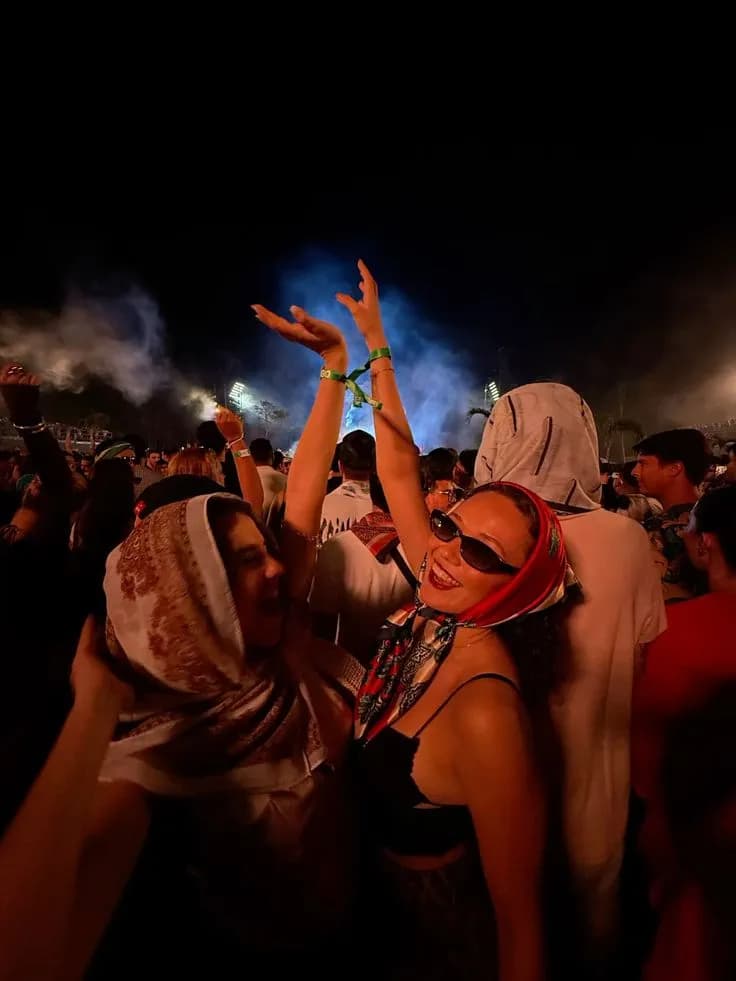
Melbourne has over 400 live music venues. On any given night, there's something happening. Gigs, comedy shows, theatre, festivals. These create natural environments for meeting people because you already share an interest with everyone there.
Standing-room venues work better than seated ones for meeting people. Places like the Corner Hotel, Northcote Social Club, the Tote, or smaller bars in Fitzroy and Collingwood put you in proximity to others. You're at the bar, waiting for the set, commenting on the music. Conversation happens naturally.
Festivals like Meredith, Golden Plains, and the Melbourne International Comedy Festival bring people together around shared experiences. The context for connection is built in.
Sports and Recreation
Social sport is huge in Melbourne. Leagues like Melbourne Social Soccer, Urban Rec, and various netball and touch footy competitions are designed to be social first, competitive second. You don't need to be good. You just need to show up.
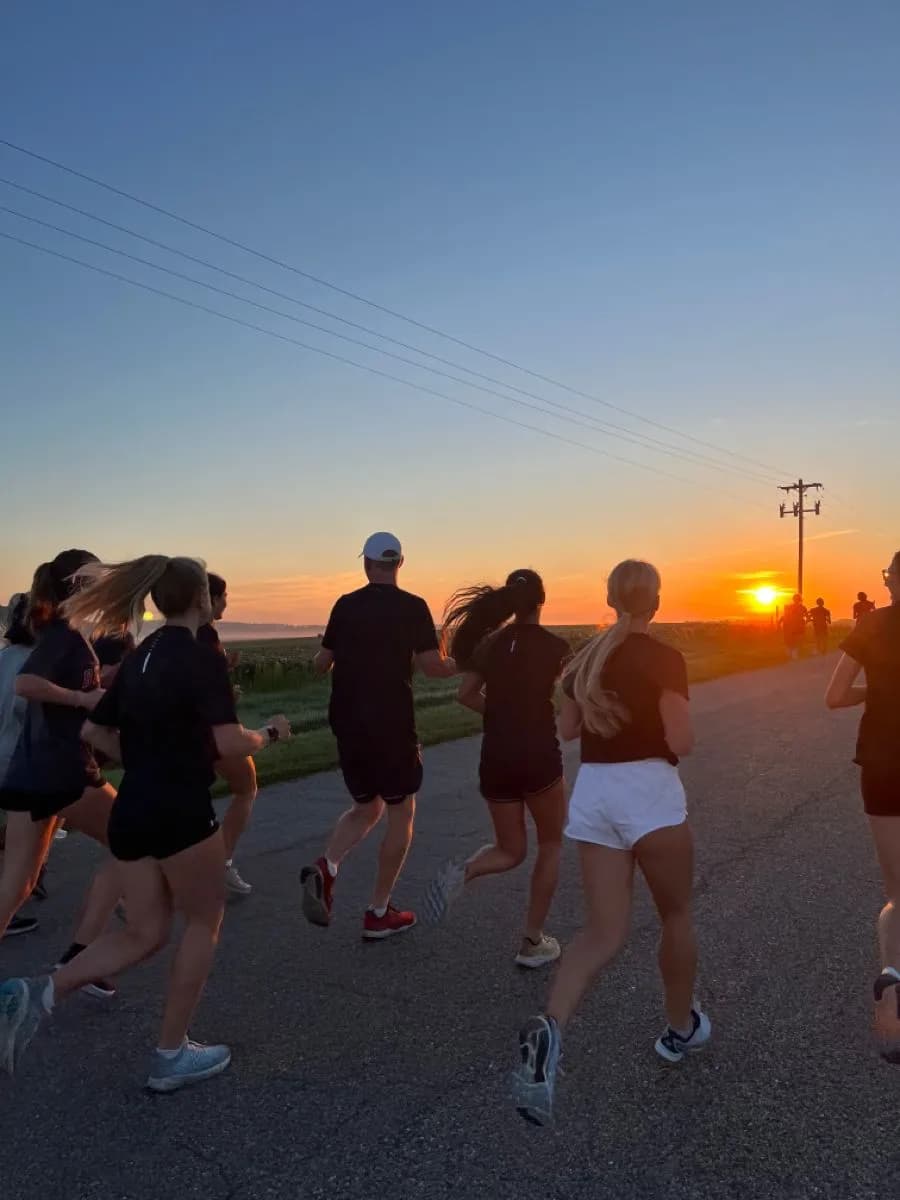
Parkrun happens every Saturday morning across Melbourne. It's free, welcoming, and the same people tend to show up each week. Over time, you start recognising faces. The consistency builds familiarity, which builds friendship.
Climbing gyms like Melbourne Bouldering and Hardrock have developed their own social cultures. The nature of climbing means you're watching others, offering beta, sharing the wall. It's inherently social.
Cafes and Third Places
Melbourne's cafe culture is real, but it takes time to work socially. The key is becoming a regular. Pick one cafe near your home or work, show up at roughly the same time, and be consistent. Over weeks, you'll start recognising faces. The staff will know your order. That familiarity opens doors.
Co-working spaces like WeWork, Inspire9, and smaller independent spaces are specifically designed for this. If you work remotely or freelance, these can replace the social function of an office.
Classes and Workshops
Learning something new with others creates natural bonding. The key is choosing something that runs for multiple sessions, not one-off workshops. Language classes, cooking courses, pottery, dance, or creative writing give you repeated exposure to the same people over weeks.
CAE (Centre for Adult Education), local council programs, and Melbourne Community Learning run affordable options across the city.
Volunteering
Working toward a shared purpose accelerates connection. OzHarvest, Scouts Victoria, environmental groups, and local community organisations always need volunteers. You meet people who care about similar things, and you have something to do together beyond small talk.
Using Events to Make Friends
Events give you shared context. Everyone there has something in common with you: you all chose to be there. That's your conversation starter. You don't need a clever opening line when you can just comment on what's happening.
The challenge is that going to events alone can feel awkward, and converting a good conversation at an event into an actual friendship requires follow-through.
Some strategies that help:
- Connect before the event. Apps like Eventi let you see who else is going and join group chats around specific events. You can chat beforehand, then meet up at the venue already knowing someone.
- Position yourself strategically. The bar, the merch table, the edges of the venue where people take breaks. These spots have natural conversational flow.
- Exchange details and follow up. If you have a good conversation, get their Instagram or number. Message them the next day referencing something specific from the conversation. Suggest another event you could go to together.
For more detail on this, see our guide on how to meet people at events.
Melbourne Neighbourhoods for Socialising
Melbourne identity is often suburb-based. Where you live shapes who you meet. Each neighbourhood has its own personality:
Fitzroy and Collingwood are the live music and bar heartland. Venues like the Old Bar, the Evelyn, and countless small bars create a scene where you'll see the same faces if you go out regularly. Creative industry types, musicians, artists. Generally younger and oriented around nightlife.
Brunswick and Northcote have a more relaxed, local pub culture. Less frantic than Fitzroy, more established. Sydney Road and High Street have their own community feel. Good for people who want neighbourhood connection rather than city-wide scenes.
The CBD and Southbank are where after-work drinks happen. If you work in the city, this is where colleagues become friends. Rooftop bars, laneway spots, the arts precinct. More transient than the inner suburbs but convenient for professional networking.
St Kilda has a beach culture vibe and attracts a mix of backpackers, young professionals, and people who want coastal access. More transient, but the beach creates natural gathering points.
Richmond is sports bar territory. If you're into AFL, this is where to watch games. Young professionals, and increasingly families. Bridge Road and Swan Street have their own scenes.
The neighbourhood you live in matters. If you're struggling to connect, consider whether your suburb matches your lifestyle. Moving closer to where your activities happen can make a real difference.
For Specific Situations
If You Just Moved to Melbourne
Give yourself at least six months before judging. The first few months are genuinely hard. You don't know the city, you don't know where to go, and you haven't found your people yet. That's normal.
Join one recurring activity immediately. A sport, a class, a regular meetup. Something that gets you seeing the same faces weekly. This is your foundation.
Explore different neighbourhoods before committing to one. Melbourne's social scenes are localised. Find the area that fits your vibe.
If You're an International Student
University is the obvious starting point, but it's not the only option. Melbourne has a lot happening outside campus. Festivals, cultural events, community groups. These can connect you with people beyond your course.
Interest-based groups often cross cultural lines more easily than nationality-based ones. If you want to broaden your network, look for activities around things you love rather than where you're from.
For more on this, see our guide on making friends at university in Australia.
If You Work From Home
Remote work removes the social function of an office. You have to deliberately replace it. Co-working spaces, cafes, and scheduled "third place" time become essential.
Evening activities matter more when you don't get incidental social contact during the day. Join something that happens after work hours and gives you regular human interaction.
If You're Introverted
Large networking events and crowded bars probably aren't your thing. That's fine. Smaller, interest-based activities work better. Book clubs, small group classes, hobby communities. Quality over quantity.
One genuine connection is worth more than dozens of surface-level ones. Don't measure yourself against extroverts who seem to know everyone. Different approaches work for different people.
Common Mistakes
- Waiting for others to reach out. Everyone is busy and uncertain. If you want to see someone again, you have to initiate. This feels uncomfortable but it's necessary.
- Giving up after one awkward experience. Not every event or activity will click. Some will be duds. That doesn't mean the whole approach is wrong.
- Only looking within existing circles. Your current friends might not know the people you'd connect with best. New activities and contexts expose you to different networks.
- Expecting instant friendship. Adult friendships take time. Months, not weeks. Keep showing up even when it feels like nothing is happening.
Resources and Next Steps
Apps: Eventi for activity-based connection, Meetup for recurring groups, Bumble BFF for profile matching. See our full comparison in best apps to make friends in Australia.
Event listings: Eventbrite, Broadsheet Melbourne, Time Out Melbourne, and Concrete Playground all list what's happening around the city.
If you're struggling with loneliness: Beyond Blue (1300 22 4636), Lifeline (13 11 14), and Headspace offer support. Loneliness is painful, and there's no shame in seeking help.
Final Thoughts
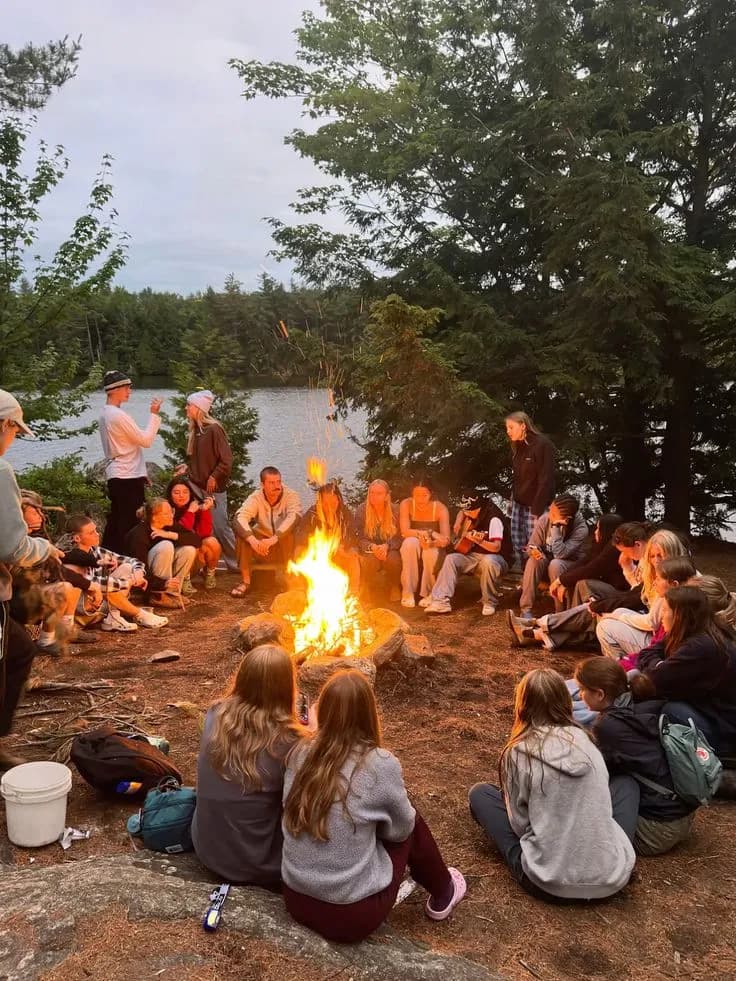
Melbourne is a city of transplants. A lot of people here are looking for the same thing you are. They're in the same position, wondering how to break into established groups or build something new.
The strategy is simple even if it isn't easy: find activities that recur, show up consistently, initiate follow-ups, and be patient with the process.
Something's happening in Melbourne tonight. Someone else is going alone. Maybe you should too.
Frequently Asked Questions
Is it hard to make friends in Melbourne?
Melbourne can feel socially challenging because it's a transient city with suburbs spread out and no single central hub. But Melbourne also has more events and activities than almost any Australian city, which creates opportunities if you know where to look.
Where do people socialise in Melbourne?
Popular social spots include live music venues in Fitzroy and Collingwood, cafes in Brunswick and Northcote, sports clubs and social leagues, co-working spaces, and community events.
How long does it take to make friends after moving to Melbourne?
Most people find it takes 3-6 months to build a genuine social circle after moving. The first few months can feel isolating, but connections typically accelerate once you find recurring activities.
What are the best apps for meeting people in Melbourne?
Popular options include Eventi for activity-based connection, Meetup for recurring hobby groups, and Bumble BFF for profile-based friend matching.