
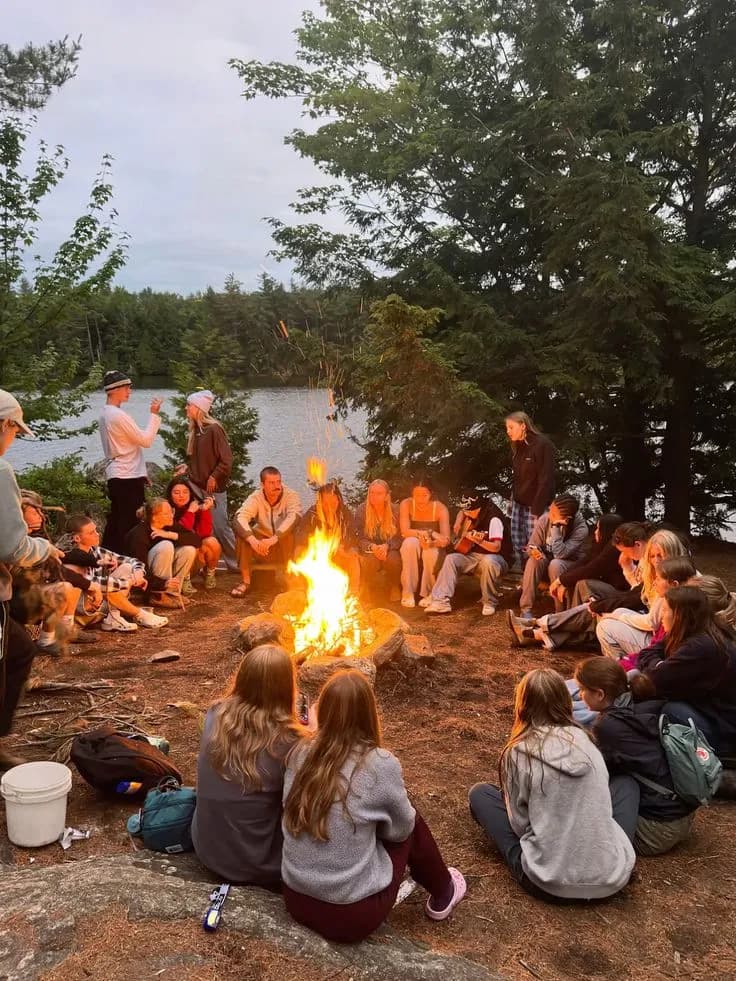
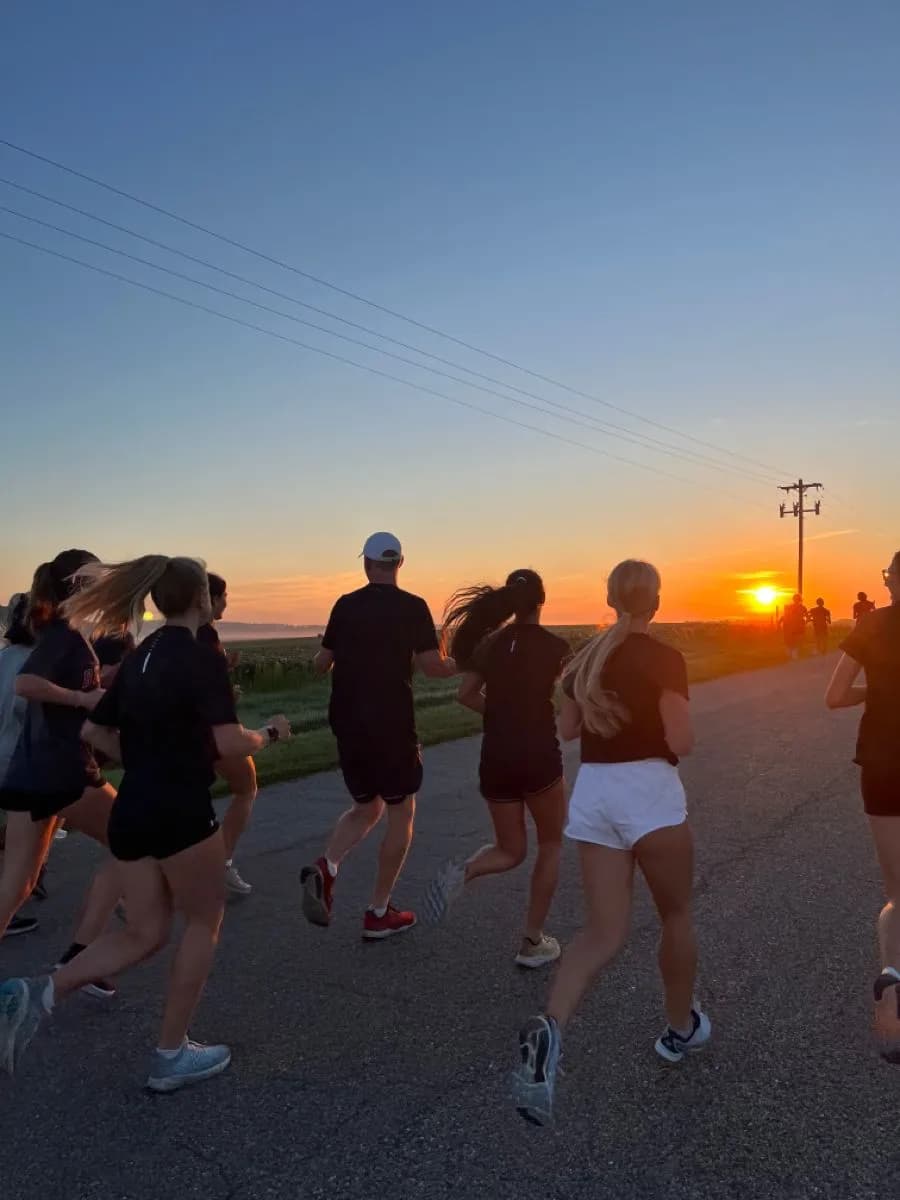
There's something about hiking that makes conversation easier. Maybe it's walking side by side instead of face to face. Maybe it's the shared effort. Maybe it's just being outdoors. Whatever it is, hiking groups tend to form genuine connections faster than most social activities.
The problem is finding people to hike with. Your friends might not be into it, or they're busy, or they live on the other side of the city. Existing hiking groups can feel cliquey or move at a pace that doesn't suit you.
The solution: start your own. It's easier than you think.
Why Start Your Own Group?
- You set the difficulty. Want gentle coastal walks? All-day mountain climbs? You decide. No more showing up to a "moderate" hike that turns out to be a death march.
- You choose the vibe. Some groups are social, chatty, stop-for-coffee-at-the-end types. Others are serious, fast-paced, minimal-talking groups. Build what suits you.
- You pick the people. Start with people you like. The group will attract others with similar energy.
- You discover new trails. When you're responsible for finding hikes, you explore more. You become the person who knows all the good spots.
What You Need to Get Started
The minimum:
- 2-3 people willing to join your first hike
- A trail you can navigate (doesn't have to be challenging)
- A date and meeting point
- Basic hiking gear (shoes, water, snacks)
Nice to have:
- A hiking app for navigation (AllTrails, Wikiloc)
- A group chat for coordination
- A first aid kit (just basics)
- Knowledge of the trail conditions
You don't need to be Bear Grylls. You just need to be willing to pick a trail and invite people.
Finding Your First Hikers
Start with who you know
Friends, colleagues, gym buddies. Anyone who's mentioned liking the outdoors. Direct invitations work better than vague posts: "I'm doing a hike at [trail] on Saturday, want to come?"
Post where hikers hang out
Local hiking Facebook groups, Reddit communities (r/bushwalking, city-specific subs), and outdoor gear store noticeboards. Be specific: "Starting a casual weekend hiking group in inner Melbourne, easy-to-moderate trails, coffee after."
Create a Room for your group
On Eventi, you can create a Room for your hiking group. Set the vibe and audience, let people discover you, and coordinate in the group chat. You can see who's keen and vet members before hitting the trail together. Meetup also works, though there are fees for organisers.
Be clear about expectations
State the difficulty, distance, and pace upfront. "10km, 400m elevation, moderate fitness required" is more helpful than "scenic bushwalk." You'll attract the right people and avoid mismatches.
Choosing Trails
For your first hikes
Keep it accessible. Choose trails that are:
- Well-marked and easy to follow
- 2-3 hours return (not all-day epics)
- Close to public transport or easy parking
- Popular enough that you'll see other hikers
- Scenic enough to feel rewarding
Save the challenging stuff for when you know the group's fitness levels and trust each other on the trail.
Good starter trails by city
Melbourne: 1000 Steps (Dandenong Ranges), Werribee Gorge, You Yangs, Cathedral Range (for something bigger).
Sydney: Bondi to Coogee (coastal), Spit to Manly, Blue Mountains (Grand Canyon, National Pass), Royal National Park coastal track.
Brisbane: Mt Coot-tha, Mt Ngungun (Glass House Mountains), Springbrook National Park.
Perth: Kings Park walks, Bibbulmun Track sections, Cape to Cape (for longer adventures).
Planning Your First Hike
A bit of preparation prevents most problems:
- Check the weather. Have a clear cancellation policy. Don't hike in extreme heat, thunderstorms, or fire danger days.
- Set a clear meeting point. Car park, train station, specific landmark. Share the exact location via Google Maps.
- State the start time firmly. "We leave at 8am sharp" prevents endless waiting. Late arrivals can catch up or join next time.
- List what to bring. Water (how much), snacks, sun protection, appropriate shoes. Don't assume people know.
- Share emergency info. Have everyone's phone number. Know the location of the nearest hospital. Have basic first aid knowledge.
Leading Your First Hike
Before you set off
- Arrive 10-15 minutes early
- Do a quick round of introductions if people don't know each other
- Check everyone has water and appropriate gear
- Explain the route and estimated time
- Establish the pace (hint: it's the slowest person's pace)
During the hike
- Stay together as a group. No one gets left behind.
- Take breaks at scenic spots and when people need them
- Keep an eye on how people are doing physically
- Let conversation happen naturally, but don't force it
- Have a sweep person at the back if the group is large
After the hike
Plan something social: coffee, brunch, a pub lunch. This is where the group bonding actually happens. People who've just walked 10km together have plenty to talk about.
Before everyone leaves, float the idea of the next hike. Lock in a date while momentum is high.
Common Challenges
Different fitness levels. Be upfront about difficulty. Run occasional "easier" hikes for beginners. Move at the pace of the slowest person. No one should feel left behind or pressured.
Weather cancellations. Have a backup plan. Maybe a cafe catch-up instead, or a reschedule to the following week. Don't let the group lose momentum because of one rainy day.
Flaky attendance. Build a bigger core group than you need. If you want 6 people per hike, have 12 members. Some won't make every trip. That's fine.
Safety concerns. Stick to well-marked trails until you know the group. Make sure someone always has phone reception or a PLB (personal locator beacon) for remote areas. Don't push into conditions you're not prepared for.
Burnout. Share the organising. Rotate who picks trails and handles logistics. If one person does everything, they'll eventually stop.
Building a Regular Group
- Set a schedule. First Sunday of the month. Every second Saturday. Whatever works. Predictability helps people plan.
- Keep a group chat active. Share photos from hikes. Post trail suggestions. Keep the energy going between meetups.
- Rotate who leads. Let others pick trails and take charge. Builds investment and prevents everything depending on you.
- Welcome new members. A steady trickle of new people keeps things fresh. Post regularly on Eventi or other platforms.
- Try different things. Mix up distances and difficulties. Try overnight trips once the group is solid. Keep it interesting.
Useful Resources
Trail apps: AllTrails, Wikiloc, and the Parks Victoria / NSW National Parks apps for official trail info.
Finding members: Post your hikes on Eventi to connect with hikers nearby. Facebook hiking groups and Reddit communities are also active.
Weather and conditions: Bureau of Meteorology, state park websites for track closures and fire danger ratings.
Safety: Bushwalking Australia has excellent resources on navigation, first aid, and emergency preparedness.
Just Start
You don't need to be an expert bushwalker. You don't need perfect gear. You just need to pick a trail, invite some people, and go.
The first hike might be a bit awkward. That's fine. The second one will be easier. By the fifth, you'll have a crew.
There are trails waiting. Go find your people.
Frequently Asked Questions
How many people should be in a hiking group?
6-12 regular members works well for casual groups. This means 4-8 typically show up per hike. Too few and cancellations kill momentum. Too many gets complicated.
Do I need to be experienced to start a group?
No. Start with easy, well-marked trails. Be honest about your experience. The group can tackle harder trails together as everyone builds fitness and experience.
How do you handle different fitness levels?
Be upfront about difficulty. Move at the pace of the slowest person. Consider running separate "easy" and "challenging" hikes occasionally.
What if the weather is bad?
Have a clear cancellation policy. Decide by a certain time the day before. Consider backup activities like coffee catch-ups instead.