

University social advice often assumes everyone thrives in big group settings - orientation camps, club sign-up days, crowded parties. For introverts, this can feel exhausting, overwhelming, or just... not worth it.
The good news: you don't have to force yourself into situations that drain you to build a social life at university. The strategies that work for extroverts aren't the only strategies.
First: Being Introverted Isn't a Problem to Fix
This matters. Introversion isn't shyness (though they can overlap) and it's not a social skill deficit. It just means social interaction costs energy rather than generating it.
You don't need to become extroverted to have friends. You need to find ways of connecting that work for how you're wired.
Strategies That Actually Work
1. Quality over quantity, always
You don't need a massive social circle. Most people maintain close relationships with just a handful of people. One or two genuine friendships is a better goal than knowing everyone in your cohort superficially.
2. Choose smaller, interest-based activities
Large general social events are often draining for introverts. Smaller groups focused on a specific interest tend to work better - a book club, a niche sport, a craft group, a specific genre of music.
The activity itself gives you something to do besides perform conversation. And shared interests provide natural common ground.
3. Use one-on-one interactions
Group settings are exhausting. One-on-one coffee or study sessions often work better for building actual connection. If you meet someone you click with in class, suggesting a one-on-one catch-up can be easier than group plans.
4. Leverage online-to-offline
Starting conversations online before meeting in person can reduce the cold-approach anxiety. Course forums, Discord servers, or apps like Eventi that let you connect with people attending events before you show up.
5. Build in recovery time
You know yourself. If a social activity will drain you, plan for downtime afterwards. Don't stack too many social commitments in a row. Sustainable connection is better than burnout followed by avoidance.
Events That Work for Introverts
Some event types suit introverts better than others:
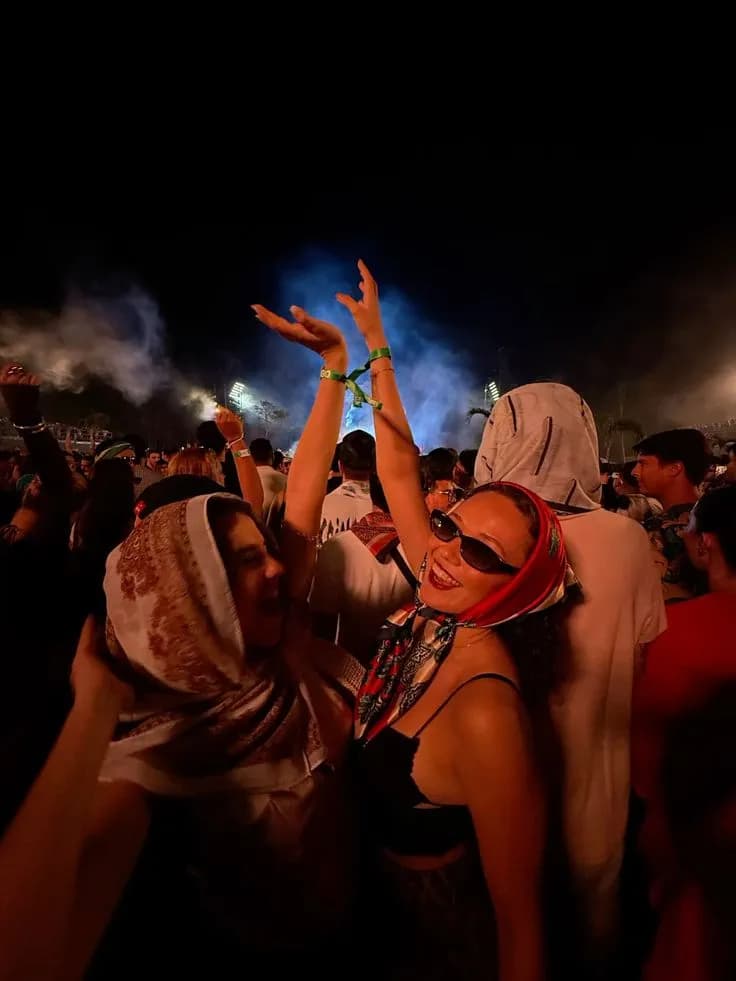
Concerts & Live Music
Everyone's facing the stage. No pressure to constantly talk. Shared experience creates natural connection points.
Art Galleries & Exhibitions
Quiet contemplation is expected. Solo attendance is completely normal. Can share observations without forced conversation.
Workshops & Classes
Structured activity means less small talk. Focused on doing something together rather than just talking.
Smaller Gigs & Venues
Intimate settings can feel less overwhelming than massive crowds. Easier to have actual conversations.
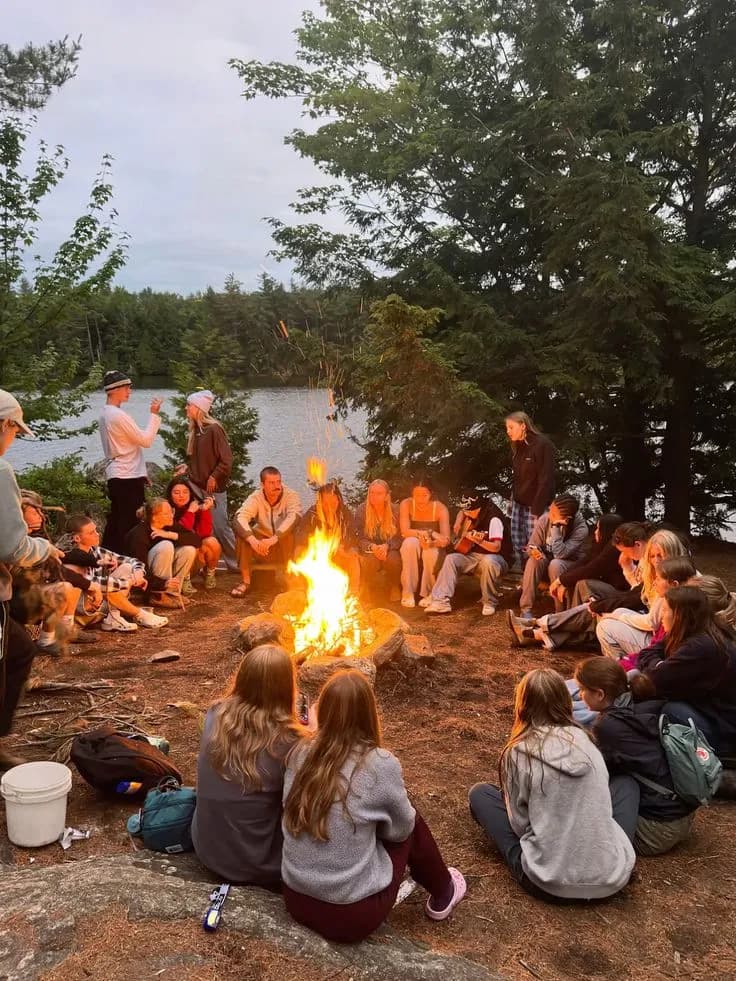
Outdoor Activities
Hiking, beach walks, park hangouts. Less intense than enclosed spaces. Activity provides natural rhythm to conversation.
Skip the Pressure
You don't have to go to every social event. You don't have to join every club. You don't have to force yourself into situations that make you miserable in the hope that you'll somehow change.
Being selective about how you spend your social energy isn't antisocial - it's sustainable. The friendships you build on your terms tend to be stronger anyway.
A Note on Anxiety
Introversion and social anxiety are different things, though they can overlap. If social situations cause significant distress rather than just energy drain, that's worth talking to a professional about. University counselling services are free for students.