




University is supposed to be where you find your people, have the time of your life, make friends for decades. That's the story, anyway.
So when weeks or months go by and you still feel alone, it's easy to assume something is wrong with you. Everyone else seems to be having the experience you were promised.
But here's the thing: they often aren't. University loneliness is far more common than most people admit.
You're Not Alone in Feeling Alone
Studies consistently show that loneliness is widespread among university students. Research from Australian universities has found that a significant proportion of students - particularly in first year and among international students - experience loneliness that affects their wellbeing.
This isn't because students are doing anything wrong. It's because the transition to university is genuinely difficult:
- Old friendships fade. High school friends scatter. The group chat goes quiet. Life moves on differently for everyone.
- New environments take adjustment. A new city, new living situation, new routine - it's a lot of change at once.
- University structure is fragmented. Unlike school, you don't see the same people every day. There's no homeroom, no forced proximity.
- Everyone is performing confidence. The people who seem to have it figured out are often just as uncertain as you. Social media makes this worse.
Loneliness vs. Being Alone
It's worth noting that loneliness isn't the same as being alone. You can feel lonely in a crowded lecture hall or at a party. You can feel perfectly content spending time by yourself.
Loneliness is about the gap between the connection you want and the connection you have. It's the feeling that nobody really knows you, or that your social life doesn't match what you hoped for.
Understanding this can help. Sometimes the goal isn't to be around more people - it's to have deeper connections with fewer people.
What Can Actually Help
There's no quick fix for loneliness. But there are approaches that tend to work better than others:
1. Lower the bar for connection
You don't need to find your best friend immediately. Small, casual interactions count. A brief chat after class. Recognising a familiar face. These micro-connections build over time.
2. Find recurring activities
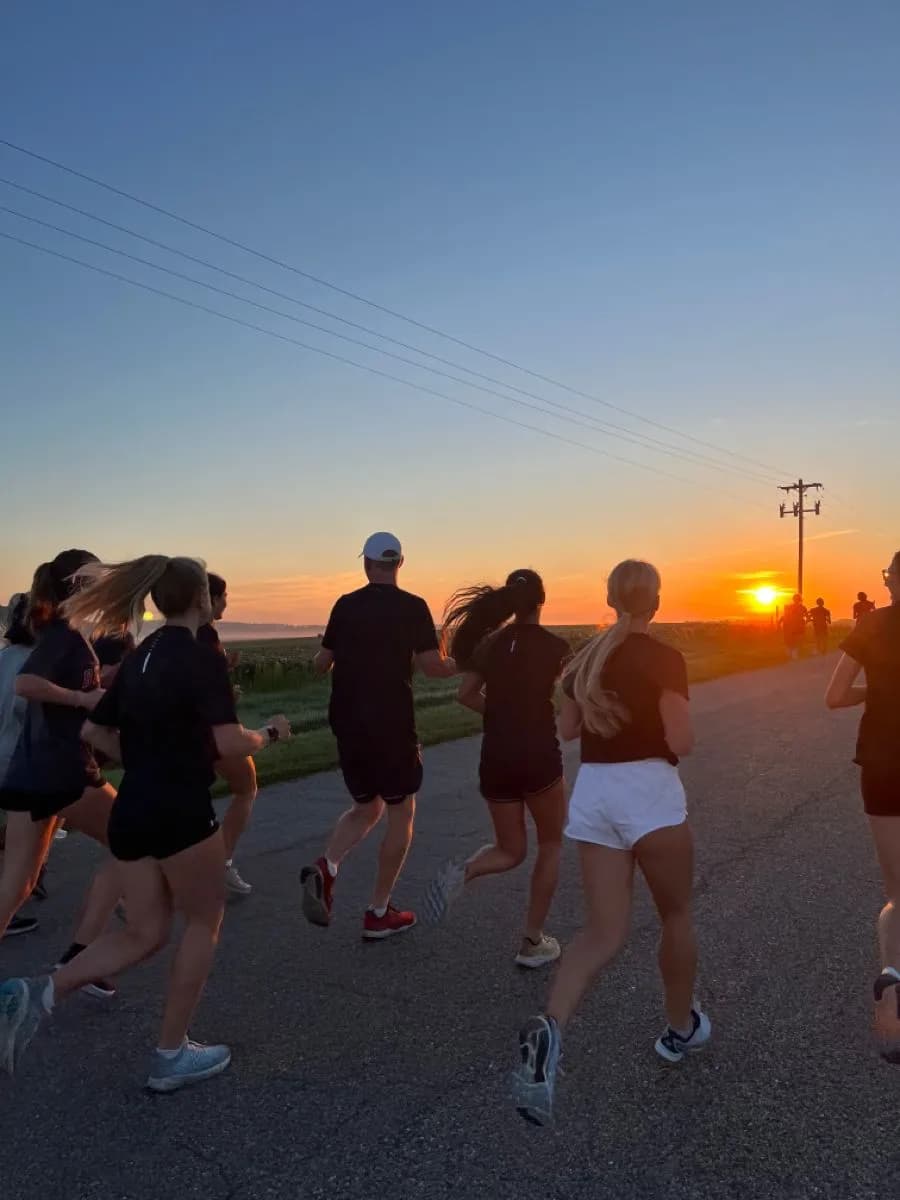
Friendships form through repeated exposure. Join something that meets regularly - a sport, a study group, a club. The consistency of seeing the same faces creates familiarity, and familiarity creates comfort.
3. Use shared experiences
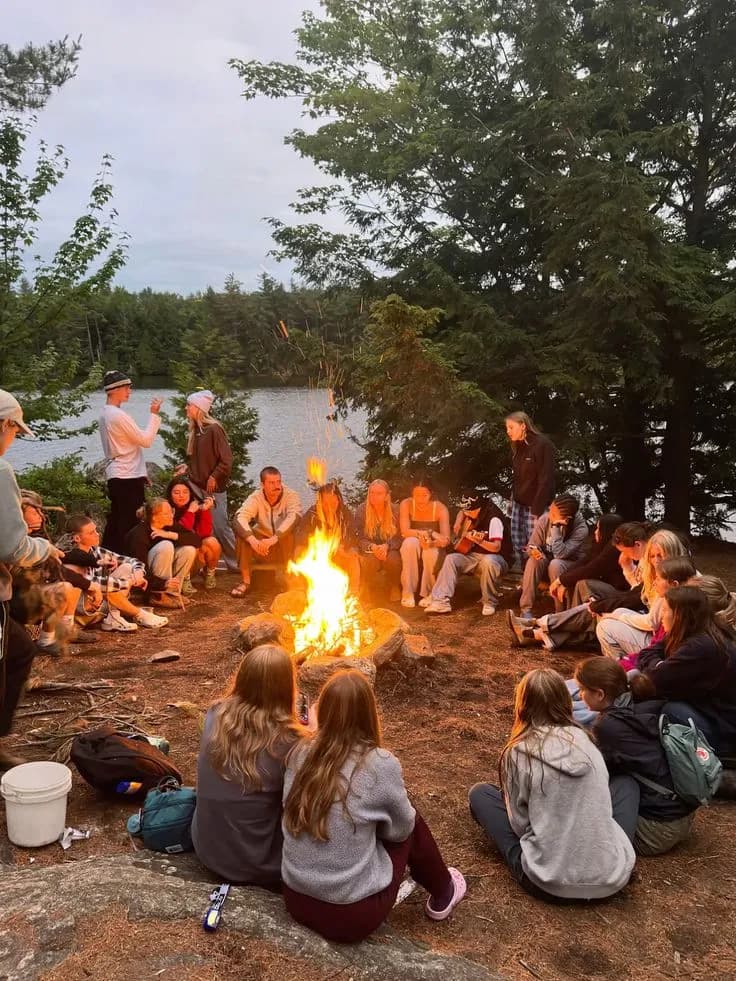
Events, activities, and experiences give you natural common ground with others. You're both there for the same reason. The conversation starts itself.
4. Be patient with yourself
Building a social life takes time - often more than you expect. The first semester can feel slow even if you're doing everything right. This is normal.
5. Consider talking to someone
If loneliness is affecting your mental health - if you're feeling hopeless, anxious, or depressed - it might help to talk to a professional. University counselling services are free for students and completely confidential.
What Doesn't Help
- Comparing yourself to social media. What you see online is curated. Everyone posts the party, not the nights alone.
- Forcing yourself into situations you hate. If big clubs or loud parties aren't your thing, that's okay. Find activities that actually suit you.
- Waiting for it to happen naturally. University friendships often require more effort than high school ones. Some initiative helps.
- Isolating further. It's tempting to retreat when you're feeling low, but it usually makes things worse over time.
It Usually Gets Better
This isn't a guarantee, but it's worth saying: for most students, loneliness eases over time. The second semester is often easier than the first. Second year is often easier than first year.
Connections take time to form. The people who end up as genuine friends might not be the ones you expected. And sometimes the best friendships start slowly.
If you're struggling now, please know it won't necessarily always feel this way. And if you need support, there are people who want to help.