
Australia is a popular destination for digital nomads. The timezone works reasonably for Asia-Pacific clients, the infrastructure is solid, and the lifestyle is hard to beat. But working remotely here comes with the same challenge it does everywhere: isolation.
You can spend weeks in a beautiful place and realise you haven't had a real conversation with anyone. The cafe wifi is great, but the barista isn't going to become your friend just because you order the same flat white every day.
This guide covers practical ways to build connections while working remotely in Australia, whether you're here for a few weeks or a few years.
The Digital Nomad Social Problem
Remote work removes the social scaffolding that offices provide. No colleagues to grab lunch with. No after-work drinks. No shared context with the people around you.
In Australia, this is compounded by a few things:
- Australians have established social circles. They grew up here, have long-standing friend groups, and aren't necessarily looking for new connections. Breaking in takes effort.
- The country is spread out. Even within cities, distances are significant. Spontaneous catch-ups are harder when everyone is 30 minutes away.
- Tourist mode is isolating. If you're constantly moving, you never build the repeated contact that friendships require.
Where to Base Yourself
Melbourne
Melbourne has the strongest cafe and coworking culture in Australia. The city is built for people who work in public. Plenty of spaces have good wifi, power outlets, and an unspoken agreement that you can camp out for hours.
The startup and creative scenes are active. Coworking spaces like Inspire9, WeWork, and various independent spots run regular events. The inner north (Fitzroy, Collingwood, Brunswick) and inner south (South Melbourne, Prahran) are where most of the action is.
Downsides: the weather is unpredictable, it's expensive, and the locals can take a while to warm up.
Sydney
Sydney is more corporate but has a strong tech scene. The beach lifestyle is a genuine perk. You can work in the morning and be at Bondi by 3pm.
Coworking options include Fishburners (the largest startup hub), Tank Stream Labs, Stone & Chalk, and various WeWork locations. Surry Hills and the CBD have the highest concentration.
Downsides: very expensive, the city is geographically fragmented, and the social scene can feel cliquey.
Brisbane
Brisbane is more affordable, the weather is consistently good, and the tech scene is growing. River City Labs is the main coworking hub. The city has a more relaxed vibe than Melbourne or Sydney.
Smaller digital nomad community, but that can mean tighter connections. Good base for exploring the Gold Coast and Sunshine Coast.
Byron Bay & Regional Towns
Byron Bay has a strong digital nomad presence. The beach town vibe attracts remote workers, yoga teachers, and creatives. Lots of co-living and coworking options.
Other regional options: Noosa (Queensland), Margaret River (WA), and various coastal towns. These can be great for focused work but have smaller social scenes.
How to Actually Meet People
Coworking Spaces
The obvious starting point. Good coworking spaces have community managers who actively facilitate connections, run events, and maintain Slack channels where members chat.
Don't just sit in the corner with headphones. Use the communal areas, show up to the events (even if they seem awkward), and actually talk to people in the kitchen.
Hot desk memberships are fine for trying a space, but dedicated desks or private offices tend to have tighter communities because the same people are there every day.
Events and Meetups
Australia has a solid events scene across interests. Tech meetups, creative gatherings, sports, music. The challenge is finding what's happening and committing to actually going.
Apps like Eventi let you see what's on and connect with others who are attending. Going to events alone is awkward, but if you can message someone beforehand or see who else is going, it's easier.
The events that work best for meeting people are recurring ones where you see the same faces. A weekly meetup beats a one-off conference for building actual relationships.
Sports and Activities
Australians bond over sport. Social sport leagues (touch footy, netball, soccer) are designed for people who want to play casually and meet others. You don't need to be good.
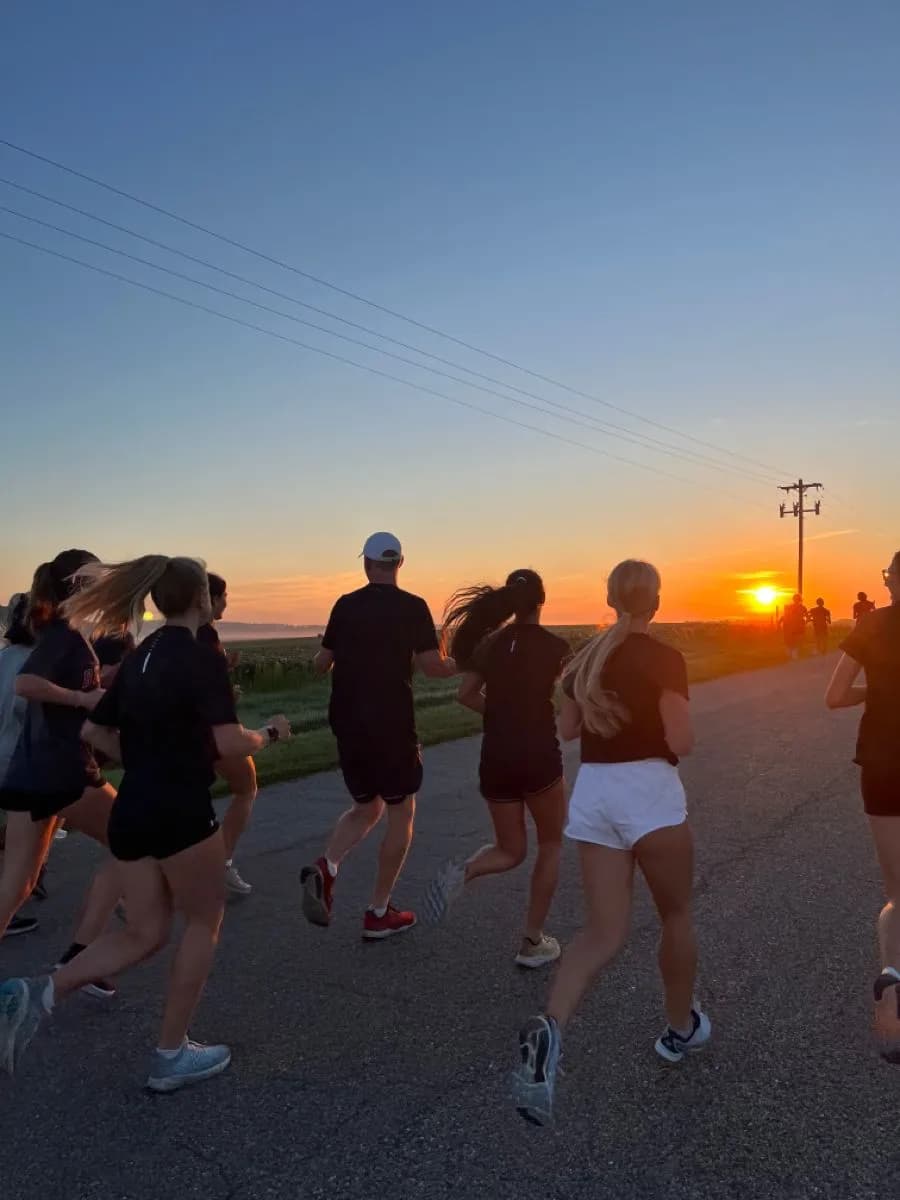
Parkrun happens every Saturday morning in most cities. Free, regular, and the same people show up each week. The post-run coffee is where connections happen.
Surf lessons, climbing gyms, hiking groups, ocean swimming clubs. Anything with regular participation and shared activity creates natural bonding.
Online Communities
Facebook groups like "Digital Nomads Melbourne" or "Remote Workers Sydney" are active. People post about meetups, ask for recommendations, and sometimes organise informal gatherings.
Slack communities attached to coworking spaces or industry groups can lead to real connections. Don't just lurk. Participate.
Hostels and Co-living
If you're on a budget or want built-in social infrastructure, some hostels cater specifically to remote workers with dedicated work areas and community events.
Co-living spaces are growing in Australia. You get a private room but shared common areas and often organised dinners or activities. These can fast-track social connections.
Finding Events in Each City
We aggregate events across Australia. Here's what's happening in major cities:
- Events in Melbourne - Strongest cafe culture, active startup scene
- Events in Sydney - Beach lifestyle meets tech industry
- Events in Brisbane - Growing scene, more affordable
- Events in Perth - Asia-friendly timezone, smaller but tight community
- Events in Gold Coast - Beach town vibes with growing startup scene
Practical Tips
- Stay in one place longer. Two weeks minimum, ideally a month or more. Friendships need repeated contact. If you're constantly moving, you never build momentum.
- Get a routine. Same cafe, same coworking space, same gym. Familiarity opens doors. Staff and regulars start recognising you.
- Initiate. Australians are friendly but they won't necessarily make the first move. If you have a good conversation, suggest catching up again.
- Join something recurring. A weekly sport, a regular meetup, a course. One-off events are fine but it's the consistency that builds relationships.
- Use the timezone. If your clients are in Europe or the US, your mornings are free. That's prime social time in Australia: beach, brunch, activities.
Final Thoughts
The digital nomad lifestyle can be lonely if you let it. The freedom to work from anywhere is great, but without intentional effort, "anywhere" becomes "alone."
Australia has the infrastructure and the social opportunities. The question is whether you'll use them. Coworking events, sports leagues, meetups, and activities are all there. You just have to show up.
Something's happening tonight in whatever city you're in. Someone else is going alone. Maybe you should too.
Frequently Asked Questions
Is Australia good for digital nomads?
Australia has excellent infrastructure, reliable wifi, a strong cafe culture, and good quality of life. The main challenges are the high cost of living, timezone differences, and visa restrictions.
Where do digital nomads hang out in Australia?
Coworking spaces like WeWork, Fishburners (Sydney), Inspire9 (Melbourne), and River City Labs (Brisbane). Also cafes with good wifi, beach towns like Byron Bay, and cities with startup scenes.
How do I meet other digital nomads in Australia?
Coworking space events and Slack channels, apps like Eventi for finding events and meetups, Facebook groups for digital nomads in specific cities, and hostels that cater to remote workers.
What visa do I need to work remotely in Australia?
Working Holiday Visa (subclass 417 or 462) for under-35s from eligible countries. Tourist visas don't technically permit work, though remote work for overseas employers is a grey area.