

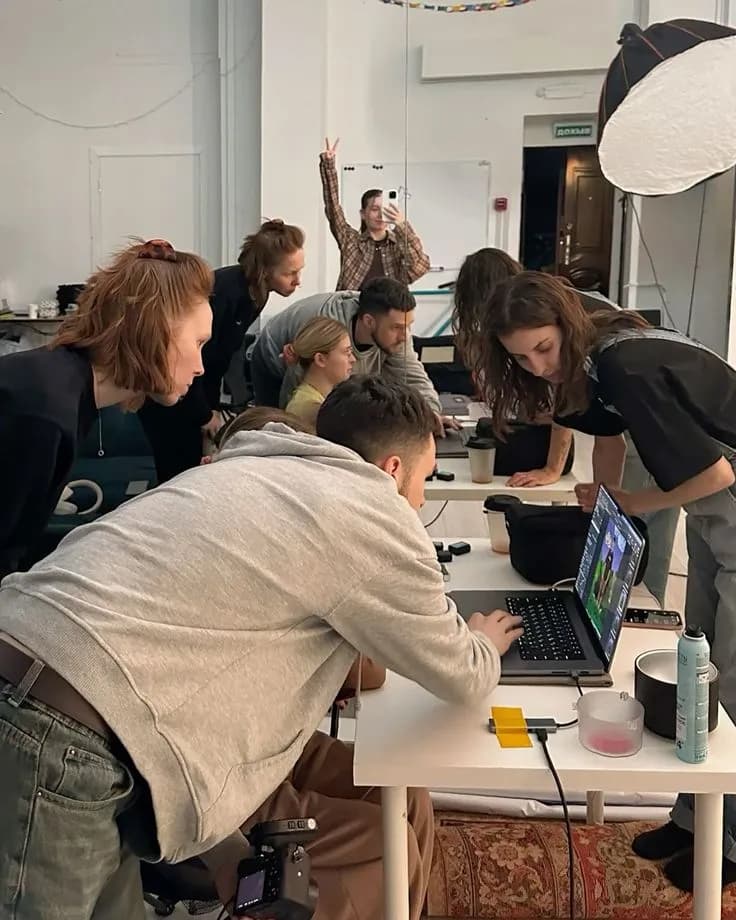


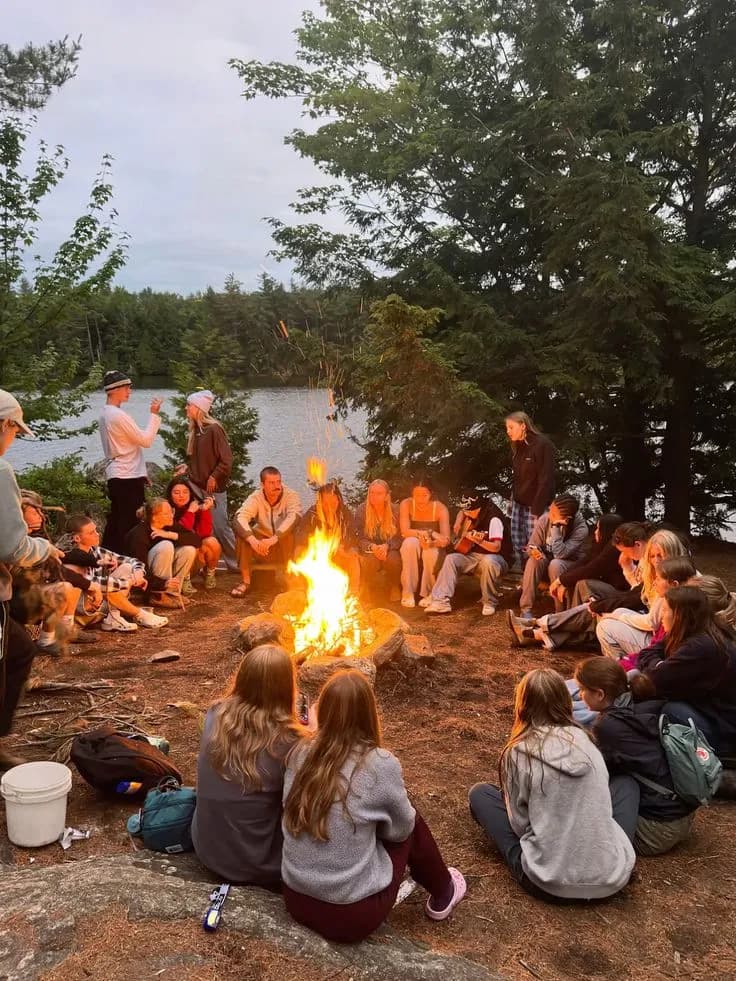

At university, you were surrounded by people your age with free time and shared experiences. Making friends was almost automatic. Lectures, clubs, parties, share houses, library sessions, coffee runs - social connection was built into every day.
Then you graduated. Maybe you moved back home. Maybe you started a demanding job. Maybe your uni friends scattered to different cities. Suddenly the social infrastructure that held your life together is gone.
Now you're sitting in a flat on a Saturday night wondering what happened to your social life. This feeling is incredibly common. And nobody warns you about it.
Why the Transition Is So Hard
University was engineered for socialising, even if it didn't feel that way. You had:
- Forced proximity - You saw the same people daily without trying
- Shared schedule - Everyone was free at similar times
- Built-in activities - Clubs, societies, events, parties
- Similar life stage - Everyone was figuring things out together
- Low stakes - You could try friendships without much risk
Adult life has none of this. You have to manufacture the conditions for friendship that university provided automatically.
The friendship scatter
Graduation is a dispersal event. Friends move to different cities for jobs. Some go travelling. Others move back home. The group that seemed permanent suddenly fragments.
And maintaining friendships across distance requires effort that the proximity of uni didn't demand. You have to schedule catch-ups, make time for calls, plan visits. It's harder work, and not everyone manages it.
The work trap
Your first job is absorbing. You're tired. You're stressed. You're learning constantly. By Friday night, you just want to collapse. The idea of making effort to meet new people feels impossible.
This is understandable, but it's also how social lives atrophy. If you wait until you're "less busy" to build a social life, you'll be waiting indefinitely.
What Doesn't Work
- Waiting for it to get better on its own. Adult friendships don't form passively. They require action.
- Expecting work to replace uni social life. Colleagues can become friends, but work relationships operate differently. You need connections outside work too.
- Relying entirely on existing uni friends. Those friendships matter, but you also need local connections where you actually live now.
- Moving home and expecting things to be the same. Your school friends have moved on too. Home can feel lonelier than a new city because you expect it to feel familiar.
What Actually Helps
1. Accept that this is a transition, not a failure
The loneliness you feel is not a sign that you're bad at friendships or that you did something wrong. It's a predictable consequence of leaving the most socially engineered environment you'll ever be in.
Everyone goes through this. They just don't talk about it. The highlight reels on Instagram hide a lot of lonely Saturday nights.
2. Replace the structure
University provided structure for socialising. You need to create that structure yourself. This means:
- Join recurring activities. A weekly sports team, a monthly book club, a regular gym class. The activity matters less than the regularity.
- Schedule social time. Put it in your calendar like you would a meeting. Friday drinks. Saturday morning coffee. Sunday afternoon walk.
- Find communities of interest. Whatever you enjoyed at uni - music, gaming, sports, art - find communities doing that in your city.
3. Be willing to feel awkward
At uni, trying new things was normal. You were expected to not know what you were doing. As a graduate, there's pressure to seem like you have it together.
Let go of that. Join things even if you're nervous. Show up to events alone. Send the "want to grab coffee?" message even if it feels forward. Awkwardness is the price of making new connections as an adult.
4. Find activities, not just events
One-off events rarely lead to friendships. You meet people, have surface-level chats, and never see them again. What works is recurring activities where you see the same people regularly.
On Eventi, you can browse Rooms for ongoing activities in your area. Running groups, book clubs, board game nights, photography walks. Join a few that interest you and commit to showing up consistently. That's how acquaintances become friends.
5. Invest in the friendships that survived
Some uni friendships will naturally fade. Others have staying power. Identify which friends you want to keep and put in the effort.
- Regular calls or video chats
- Group chats that stay active
- Planned visits when you're in the same city
- Trips or activities together
These friendships won't maintain themselves. But with effort, they can last a lifetime.
If You Moved Back Home
This can feel like going backwards. Your school friends have left or changed. You're living with parents again. The social opportunities feel limited.
The strategy here is to be intentional about building a local social life rather than waiting for it to appear. Join clubs, take classes, volunteer somewhere. Treat your hometown like a new city you need to establish yourself in.
If You're in a New City
Starting fresh is hard but also an opportunity. You're not navigating old dynamics or expectations. You can be whoever you want to be.
Focus on building routines that include other people. Become a regular somewhere. Say yes to any social invitations, even if they're outside your comfort zone. The first six months are about quantity - meeting enough people that some connections stick.
If Your Job Is All-Consuming
Demanding graduate jobs are notorious for taking over your life. You need to actively protect time for a social life, or work will expand to fill all available hours.
- Block social time in your calendar
- Find activities at lunch or before work
- Be strategic - one or two committed activities rather than many
- Befriend colleagues who want a life outside work too
The Honest Timeline
Year 1: The hardest. You're adjusting to work, possibly a new city, definitely a new life structure. Loneliness peaks. This is normal.
Year 2: Things start to settle. If you've been showing up to activities, faces become familiar. Some friendships start forming.
Year 3+: You have a social life that works for adult life. It's different from uni, but it's yours.
This timeline assumes you're actively building a social life, not waiting for it to happen. Passive hope doesn't work.
When to Get Support
Post-uni loneliness is normal. But if you're struggling to function, feeling hopeless, or experiencing persistent low mood, that's worth taking seriously.
- Beyond Blue: 1300 22 4636
- headspace: For under-25s
- Lifeline: 13 11 14
Major life transitions can trigger mental health challenges. Getting support is sensible, not a sign of weakness.
It Does Get Better
The people who seem to have their adult social lives together went through this too. They just did it a few years ago and have forgotten how hard it was.
Adult friendships are different from uni friendships. They're often fewer in number, more intentional, and deeper. You won't have a massive group to call on for every occasion. But you can have real connections with people who share your interests and values.
The structure is gone. Now you get to build your own.
Frequently Asked Questions
Is it normal to feel lonely after graduating?
Extremely normal. You've left the most socially engineered environment you'll ever be in. Most graduates experience significant loneliness in the first year or two.
Why did my uni friends and I drift apart?
Uni friendships relied on proximity and shared routines that no longer exist. People move, start jobs, and the daily contact disappears. Some friendships survive; many don't. This is normal.
How do I make friends as a working adult?
Recurring activities (sports, hobbies, classes), work relationships, and being intentional about following up with people you click with. Adult friendships require deliberate effort.
How long until things get easier?
Most people find the first 1-2 years post-uni hardest. Building a new social circle takes 6-12 months of consistent effort. It gets easier as you build routines and find your people.