

You moved for a job. Or a relationship. Or just because you needed a change. Whatever the reason, you're now in a city where you don't know anyone. Your Friday nights are quiet. Your weekends stretch out empty. You scroll through your phone looking at friends back home doing things together.
This is one of the loneliest experiences adults go through. And it's far more common than anyone admits.
About 40% of Australians move interstate at some point in their lives. Thousands of people arrive in Melbourne, Sydney, Brisbane, and Perth every year knowing nobody. If you're feeling isolated, you're not uniquely bad at this. You're just going through something genuinely difficult.
Why Starting Over Is So Hard
When you move, you don't just lose your friends. You lose your entire social infrastructure:
- The cafe where the barista knows your order
- The gym where you recognise faces
- The colleague you grab lunch with
- The neighbour you chat to while taking out the bins
- The friend of a friend you run into at parties
All those small interactions that made you feel known and connected are gone. You're starting from zero in a place where everyone else seems to already have their people.
And the standard advice doesn't help much. "Just put yourself out there" sounds reasonable until you're standing alone at a bar on a Friday night wondering what you're doing with your life.
The Reality of the Timeline
Here's what most people experience (and nobody warns you about):
Months 1-2: The novelty phase. Exploring feels exciting. You're busy with logistics. The loneliness hasn't fully hit yet.
Months 3-4: The hardest part. Novelty has worn off. You have acquaintances but no real friends. Weekend loneliness peaks. Many people question their decision to move during this phase.
Months 5-8: Things start to shift. If you've been consistent with activities, faces become familiar. Some acquaintances start becoming friends.
Months 9-12: The city starts feeling like home. You have a few solid connections. You know your neighbourhood. You have routines that include other people.
This timeline isn't a guarantee, but it's realistic. Knowing it helps because month 3 won't feel so much like failure when you understand it's a predictable low point.
What Actually Works
1. Build routines that include other people
Friendship requires repeated, unplanned interaction. That's hard to engineer as an adult, but not impossible. The trick is finding activities that happen at the same time, same place, with the same people.
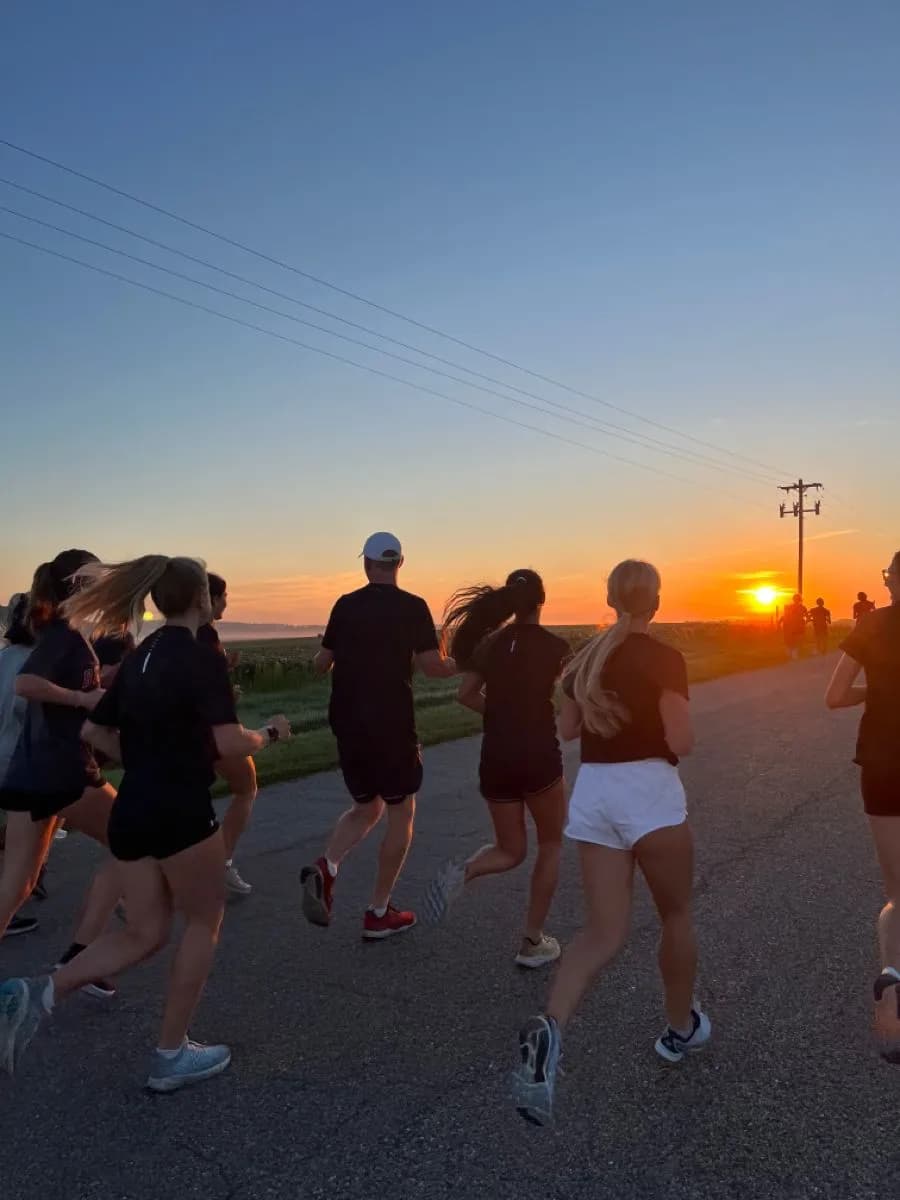
- A Tuesday night running group
- A Saturday morning yoga class
- A weekly trivia team
- A monthly book club
The activity matters less than the consistency. You need to be a regular somewhere.
2. Say yes to awkward things
For the first 6 months, your default answer to any social invitation should be yes. Work drinks? Yes. Neighbour's barbecue? Yes. Random event you're not sure about? Yes.
Most of these won't lead anywhere. Some will be awkward. But you only need a few to work out. And you can't predict which ones those will be.
3. Be the one who follows up
You meet someone you click with at an event. You exchange numbers. Then... nothing. This happens constantly because everyone is waiting for the other person to reach out.
Be the person who sends the text. "Hey, want to grab a coffee this week?" It feels forward. It is forward. That's how adult friendships start. Someone has to make the first move.
4. Find your third place
Sociologists talk about "third places" - somewhere that isn't home or work where you can exist in public and encounter others. A local cafe. A pub. A library. A park.
Find yours and become a regular. Even if you never speak to anyone, being recognised and nodded at makes a place feel more like home.
5. Join activities you already enjoy
Don't try to become someone new. Look for activities you already like doing, then find others who do them too.
If you ran back home, find a running group. If you read, find a book club. If you played board games, look for game nights. The connection is easier when you're doing something you genuinely enjoy rather than forcing yourself through networking events.
On Eventi, you can browse Rooms for activities in your area. See the vibe, check who's keen, and join ones that match what you're into. It's lower pressure than showing up to a random meetup - you can scope it out first.
City-Specific Tips
Melbourne
Melbourne's strength is its neighbourhood culture. Pick your suburb and commit to it. Become a regular at local spots in Fitzroy, Brunswick, Richmond, or wherever you've landed. Sports clubs (AFL, soccer, netball) have strong social scenes. The arts and music communities are welcoming if that's your thing.
Sydney
Sydney can feel cliquey at first, but the outdoor culture is a great entry point. Beach communities, running groups, ocean swimming clubs, and hiking groups are everywhere. The eastern suburbs, inner west, and northern beaches all have distinct identities - find where you fit.
Brisbane
Brisbane is smaller and often warmer socially. People tend to be friendlier upfront. The river precincts, West End, and Fortitude Valley have good community vibes. Outdoor activities are year-round, which helps.
Perth
Perth's isolation from other cities means people are more invested in local community. Beach culture is central. Fremantle has a tight-knit arts scene. The challenge is distances - things are spread out, so finding activities close to where you live matters more.
What Doesn't Work
- Waiting for it to happen naturally. In a new city, you have to force it at first. Natural will come later.
- Only relying on work colleagues. Good for acquaintances, but you need connections outside work.
- One-off events. You need repeated contact with the same people. Single events rarely lead to friendship.
- Staying home waiting to feel ready. You'll never feel ready. Do it anyway.
- Comparing to back home. Your old friendships had years to develop. Give new ones time.
If You're Working From Home
Remote work in a new city is loneliness on hard mode. You don't even have the automatic social contact of an office.
You need to be more intentional:
- Co-working spaces - Even one or two days a week helps. You'll start recognising faces.
- Schedule social time - Block it in your calendar like a meeting. A morning coffee at a cafe, a lunchtime walk, an evening class.
- Build your routine externally - Go to the same gym, the same cafe, the same park. Let regularity do the work.
What About Friends Back Home?
Keep those relationships alive. Video calls, group chats, visits. But also accept that some friendships work better with proximity. That's not a failure of the friendship - it's just reality.
The goal isn't to replace your old friends. It's to build a new local support network while maintaining the connections that still work across distance.
When Loneliness Becomes Something More
Loneliness after a move is normal. But if you're struggling to function, feeling hopeless, or can't see things getting better, that's worth taking seriously.
These resources are here if you need them:
- Beyond Blue: 1300 22 4636
- Lifeline: 13 11 14
- headspace: For under-25s, or find a local centre
Moving is a major life transition. There's no shame in getting support while you adjust.
The Honest Truth
Building a social life in a new city takes longer than you want. It's awkward. It requires effort that feels unnatural. There will be lonely weekends and moments of regret.
But people do it every day. Your city is full of others who moved here alone and are now locals with friends and routines and a life they've built. You're not starting from a worse position than they did.
Give it time. Stay consistent. Be the one who reaches out. The city will start to feel like home.
Frequently Asked Questions
How long does it take to make friends after moving?
Most people find it takes 3-6 months to start feeling settled, and 6-12 months to build genuine friendships. The first few months are often the loneliest, but it does get easier with consistent effort.
Is it normal to feel lonely after moving?
Completely normal. You've left behind your entire support network. Feeling isolated doesn't mean you made a mistake - it means you're adjusting to a major life change.
How do I meet people if I work from home?
Co-working spaces, local cafes, fitness classes, and activity-based groups help replace the social contact you'd normally get from an office. Build routines that get you around the same people regularly.
Should I join lots of things at once?
No. Pick 1-2 recurring activities and show up consistently for a few months. Depth beats breadth. Being a regular at one group is more effective than being a stranger at ten different events.